Disclosure: This blog post contains affiliate links. As an affiliate and Amazon Associate, I earn from qualifying purchases at no additional cost to you. Please read my full disclosure policy for more information.
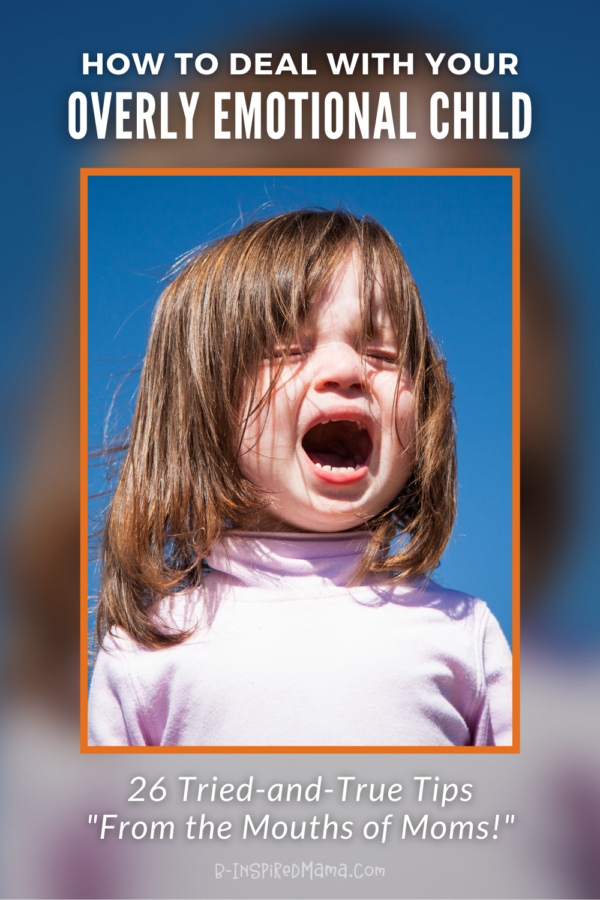
Raising an overly emotional child can be especially challenging. It can feel like a roller coaster of strong reactions and extreme emotions, leaving parents and caregivers feeling overwhelmed and emotionally exhausted themselves.
Why Is My Child So Emotional?
But, recent research has revealed that many overly emotional kids have the temperament they have because of one innate personality trait: emotional sensitivity. According to Dr. Elaine Aron, author of The Highly Sensitive Child: Helping Our Children Thrive When the World Overwhelms Them, a highly sensitive person is born with “a tendency to notice more in their environment and deeply reflect on everything.” This depth of emotion and perception actually makes our children more empathetic, creative, and smart. However, highly sensitive kids are also “more easily overwhelmed by ‘high volume’ or large quantities of input arriving at once” and when they “cannot avoid overstimulation, they seem ‘easily upset’ and ‘too sensitive.'”
How to Help an Overly Emotional Child
As a parent, understanding and supporting your highly sensitive child is crucial for their emotional well-being and social-emotional growth. But parenting an overly emotional child can present unique challenges and frustration.
So I’ve invited some of my favorite blogging mama friends to draw on their years of experience raising children of various ages, temperaments, and even special needs, like Attention Deficit Hyperactivity Disorder, Autism Spectrum Disorder, and Sensory Processing Disorder, to share practical tips for parenting overly emotional kids. From infants to teens, we delve into strategies for calming tantrums, preventing emotional meltdowns, and fostering self-regulation skills. Let’s get started…
Psst… Hit PLAY on this Video to See the Top Tips Now.
26 Tips on How to Deal with an Over Emotional Child — From Moms Who’ve Been There
1. Calm Yourself First
“This may seem counterintuitive, but focusing your energy on forcing your child to calm down is probably going to backfire. Instead, focus on your own breathing, your body posture, your thoughts. Yes, it’s exhausting and yes, it may be scary, overwhelming, stressful, and tense – and – your child needs you to be their safe, confident center. They need to know they can rely on you to be in control when they are out of control. It’s normal to be upset when our kids are upset. It’s OK if this step is challenging, or if you start off calm but end up matching your child’s intensity. Notice your reaction and continue practicing – it will get easier over time.” Nicole of Imperfect Families
2. Consider a Potential Growth Spurt
“After I did some reading about the growth spurt timeline and how this roller coaster of development affects our children’s behavior, I could see my son’s behavior much differently. Young children go through frequent (as often as every 6 months) physical or cognitive spurts of development during the early years of life. These growth spurts can influence their eating habits, sleeping, irritability level, focus, and more. If your child’s seemingly ‘defiant’ or ‘short-tempered’ behavior seems to have come out of nowhere, consider the possibility of a growth spurt.” Amy of The Thoughtful Parent
3. Consider Your Child’s Physical Needs
“My kids seem to peak if they are tired or hungry. We try to have healthy, well balanced meals on a fairly scheduled basis and have the kids get enough sleep. This doesn’t always help, but is worth a go!” Amanda of The Educators’ Spin On It
4. Consider Your Child’s Temperament
“When you and your child are going through a rough phase, it’s often helpful to consider what, if any of the issues might be related to temperament. Is there a temperamental need your child has that isn’t being fully met? For example, is your extroverted child in need of more social interaction with friends (not uncommon in our pandemic-era times)? Or does your sensitive child need more one-on-one time with you that has been hard to find lately?” Amy of The Thoughtful Parent
5. Adjust Your Child’s Environment
“My kids each had unique sensory sensitivities. So, when they were especially cranky, I would try to rule out sensory input first. My youngest son was sensitive to clothing textures, so I would rule out itchy seams or scrunched up socks. My daughter would get easily overwhelmed by noisy environments or too much visual stimuli.” Krissy of B-Inspired Mama
6. Manage Your Child’s Expectations
“I try to keep things predictable, talk to my son about what is going to happen today, talk him through changes to plans or routines, so there’s no surprises that could trigger an emotional meltdown.” Ness of One Perfect Day
7. Prepare Your Child for Transitions
“Make sure you give your child as much info as you can. Like, ‘We will be leaving in 10 minutes to go to [blank]. This is what we will be doing there. This is who will be there.'” Laura of Play Dr Mom
8. Discuss Possible Problems Beforehand
“Did you plan a fun Christmas art activity but you know your highly emotional child is a perfectionist? If the activity doesn’t go exactly as planned for your child you might encounter a meltdown. Talking to them beforehand about possible variations for the activity can help them work through a problem during the activity.” Rachael of Wunder-Mom (Rachael shares more advice in How to Ensure Happy Holidays When Parenting the Highly Emotional Child.)
9. Validate Your Child’s Emotions
“I think it’s important to validate kids’ emotions before jumping right to redirecting or reprimanding, even though it’s often so hard to remember to do so. My kids are definitely easier to calm and redirect when they feel like I’ve acknowledged their feelings first.” Krissy of B-Inspired Mama
10. Get Down on Their Level and Make Eye Contact
“I get down to his level (as in physically bend down to make eye contact) and acknowledge how he is feeling. Keep my voice calm and try to help him through it until he feels calm again.” Ness of One Perfect Day
11. Provide Space and Time to Feel Big Feelings
“I used to try and figure out ways to try and avoid my daughter’s tears; I can see now that it is just the way she naturally expresses herself. She ‘breaks down’ in many different situations. I give her a supportive environment where she knows that it is okay to release her emotions. The wave of emotions will pass in a few minutes and with a warm hug. I have no idea how her deeply felt emotions will impact her as she grows into her teen years. I hope my support is teaching her that it is better to release the emotion than to bottle it up inside.” Jennifer of Kitchen Counter Chronicles
12. Wait Out Extreme Emotions Before Talking
“I’ve learned that if they get really upset it can help to give them some time to calm down before trying to talk about what they are upset about — validate the emotion and then discuss it later.” MaryAnne of Mama Smiles
13. Have Your Child Try Counting to Calm Down
“We validate our son’s feelings first, like, ‘I know you miss daddy but he’s had to go to work so that we can have nice toys and food.’ Then, when he is starting to calm down I have found that counting to 20 with me really helps. Counting seems to focus him, and then we can talk about where Daddy is.” Cerys of Rainy Day Mum
14. Blow Bubbles to Calm and Distract
“I swear, bubbles are magic for calming toddler tantrums. It’s hard to teach young children self regulation skills like deep breathing, but blowing bubbles sort of tricks them into taking slow, deep breathes, which regulates their nervous system. And popping bubbles distracts them from their big emotions and temper tantrum.” Krissy of B-Inspired Mama
15. Distract Your Child by Making Them Laugh
“We call it ‘tickle torture,’ but it is really just a way to make your child laugh. We say, ‘If you aren’t able to calm down, you have three options: tickles, boops or kisses.’ Nine times out of ten, this alone gets our son to snap out of his bit of crazy. Then, we can address the behavior if we feel we need to do so.” Marnie of Carrots Are Orange (Check out more alternatives to “time out” from Marnie.)
16. Offer Comfort through Deep Pressure
“Hold them close or have them put heavy covers on their bodies. The pressure on their bodies is calming. This is especially true for many kids that struggle with sensory processing. Weighted blankets or compression shirts can help too.” Jodi of Meaningful Mama (Jodi shares more great advice in Ten Ways to Calm an Angry Child.)
17. Help Your Child Identify Early Signs
“Often times kids can learn to identify, in their own body, when emotional outbursts are about to occur. They might feel anxiety in their stomach, a racing heart, a face that starts to get red or tense muscles in arms or legs. Help them learn to identify what they feel before the moment so they can catch themselves before they explode.” Jodi of Meaningful Mama (Read more of Jodi’s advice in Speaking Truth into Emotionally Intense Children.)
18. Help Your Child Find Grounding Activities
“Remember the last time you felt crappy, and your emotions were all over the place. What did you do? Please help your child find those activities that help him stay grounded and encourage him to practise those whenever he feels less in control of his emotions. Meditation, taking a shower, going for a walk, writing his feelings down in a journal or even colouring or painting are good, healthy outlets to help manage difficult emotions for both children and adults.” Sabina of Mummy Matters
19. Learn Your Emotional Child’s Triggers
“Behavior seems random until we stop and look for patterns. Notice how certain circumstances, environmental cues, words, and physical needs like hunger or thirst affect your child’s needs. Realize that ‘hidden’ things like being bullied at school or getting a bad grade can also affect your child’s mood.” Nicole of Imperfect Families
20. Separate the Act from the Emotion
“I tell my daughter that I understand why she feels this way, but I don’t understand why she is acting this way. When we are mad, we don’t hit. When we are sad, we don’t throw ourselves on the ground.” Danielle of 52 Brand New
21. Remind Them to Use Their Words
“We’ve focused a lot on talking about our feelings and using our words to express how we feel. As it’s something we’ve done from birth, if we’re ever having a melt down, I can generally just remind my daughter to use her words and that usually works to start to calm her down. I remind her that I can’t understand her, but that I can understand that she’s upset and to tell me about it.” Deborah of Learn with Play @ Home
22. Describe and Discuss Your Own Feelings
“Use emotional language yourself too so your child can learn how to describe how they feel to others. This will also help them to understand their emotions.” Helen of Kiddy Charts (See Helen’s other tips at 5 Tips for Boosting Your Child’s Emotional Well-Being.)
23. Use Cartoon Characters to Explore Emotions
“As your child is learning about emotions, talk about how their favorite characters feel in books, movies or TV shows. This will help your child gain a better understanding of their own emotions.” LaVonne of Long Wait for Isabelle (Learn more at 4 Ways to Boost Emotional Intelligence in Children.)
24. Use Children’s Books to Teach About Emotions
“We just participated in a children’s book swap with Laura from Play Dr Mom and received the children’s book Today I Feel Silly: And Other Moods That Make My Day by Jamie Lee Curtis. It’s a great book to teach kids about emotions and start a conversation about how to appropriately express them.” Krissy of B-Inspired Mama
25. Ask Your Emotional Child What They Need
“Instead of assuming that you know what your child needs, give them an opportunity to tell you what would help. Older kids may be able to verbalize if they need you to listen, give a hug, or help them find a solution.” Nicole of Imperfect Families
26. Don’t Take It Personally
“When your child is having a temper tantrum, they’re obviously having a really hard time about something. Tantrums happen because your child is triggered and upset about something. When you start seeing your child melting down and having a tantrum, recognize that your child is struggling. When you think about their behavior that way, you’re going to be able to stay calmer. Versus if you believe that your child is having a tantrum because they’re being vindictive or manipulative or to get back at you, you’re going to jump to anger. Remember… your child is having a hard time, not giving you a hard time!” Amanda of Messy Motherhood
Helpful Books on Parenting an Over Emotional Child from Amazon:
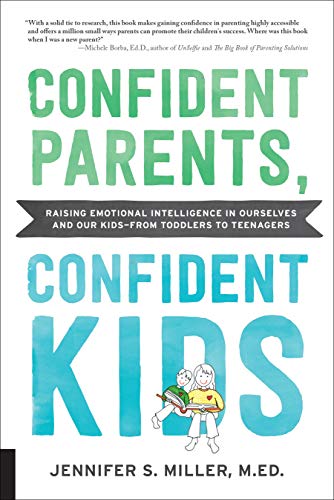
If you’re looking for more ideas for how to help your overly emotional child, check out these parenting books…
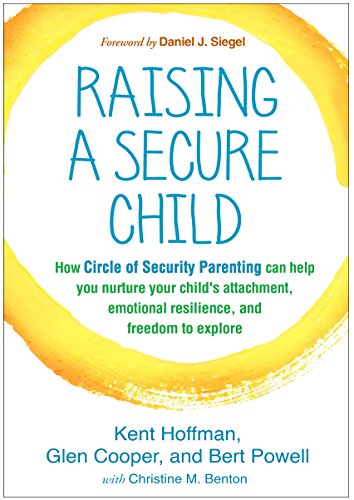
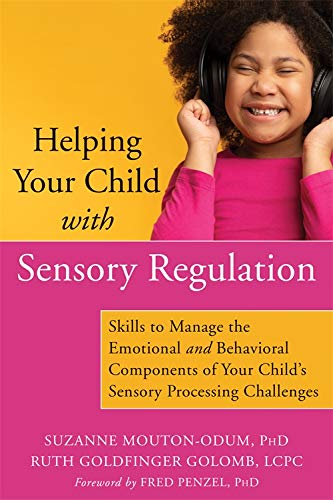
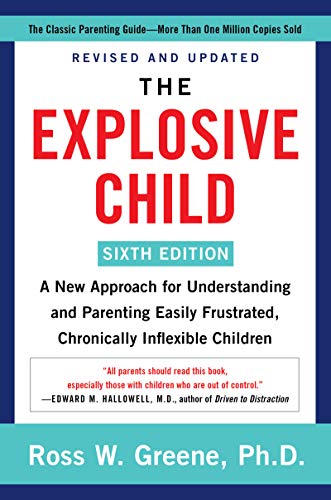
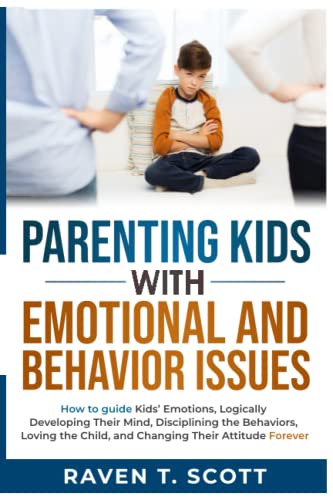
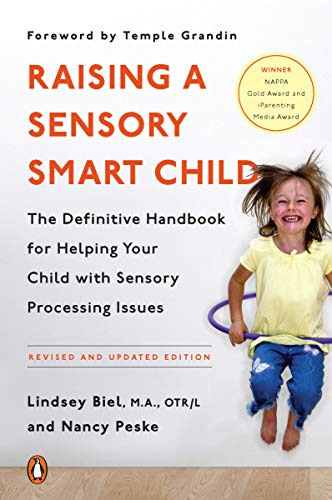
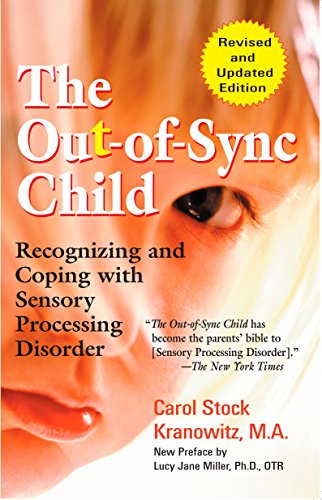
Parenting a Child Who Has Intense EmotionsConfident Parents, Confident KidsRaising a Secure ChildHelping Your Child with Sensory RegulationThe Explosive ChildParenting Kids with Emotional and Behavior IssuesParenting ToolboxThe Uncontrollable ChildCool, Calm & Connected: A Workbook for Parents and ChildrenThe Highly Sensitive ChildRaising Your Spirited ChildRaising an Anxious ChildRaising a Sensory Smart ChildThe Out-of-Sync Child



Children’s Books to Teach Emotion Regulation from Amazon:
And, consider some of the children’s books that help kids learn about emotions and emotional regulation…
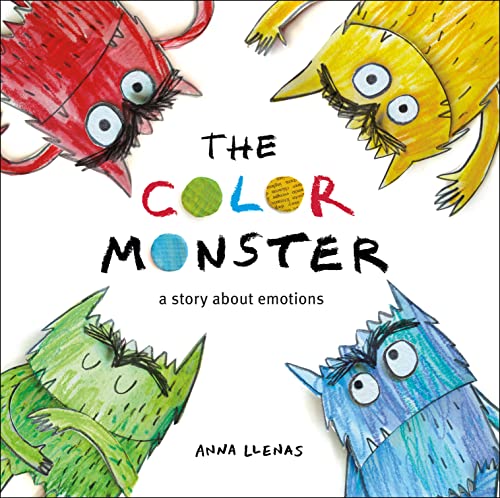
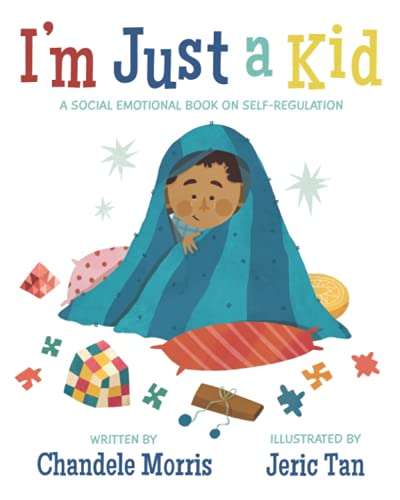
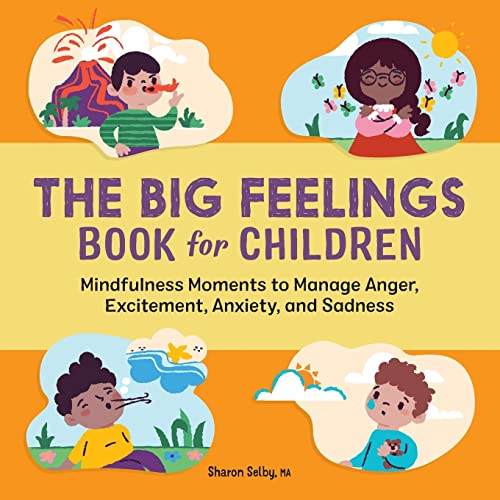
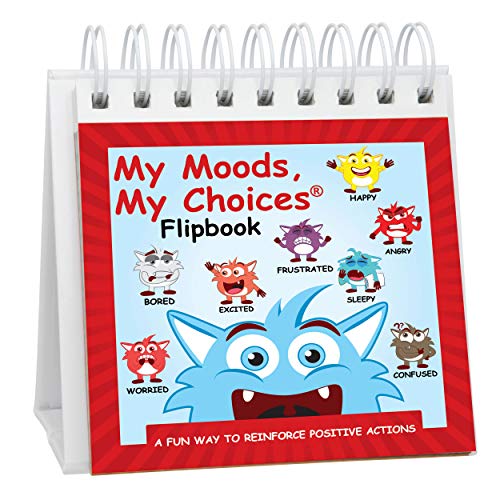
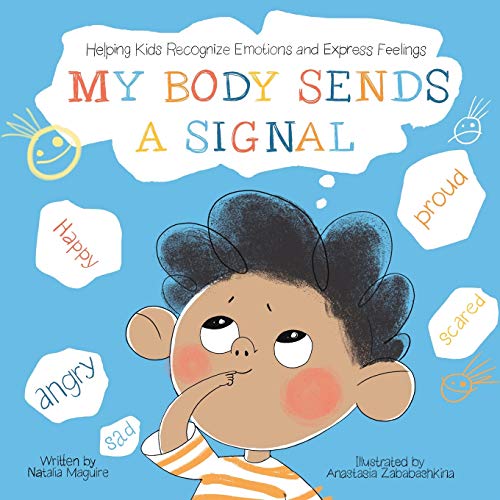
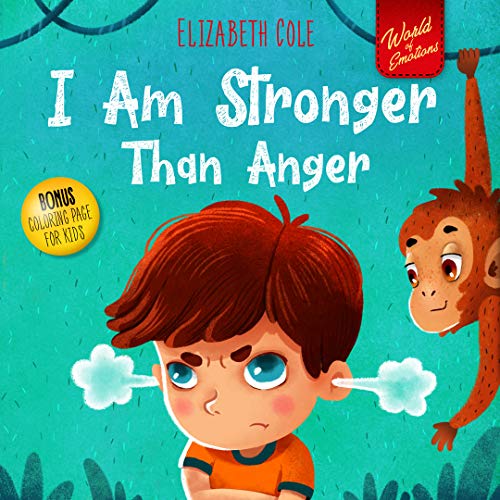
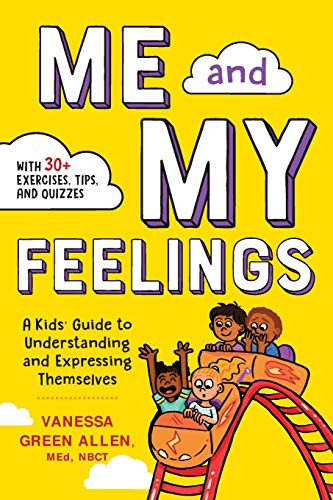
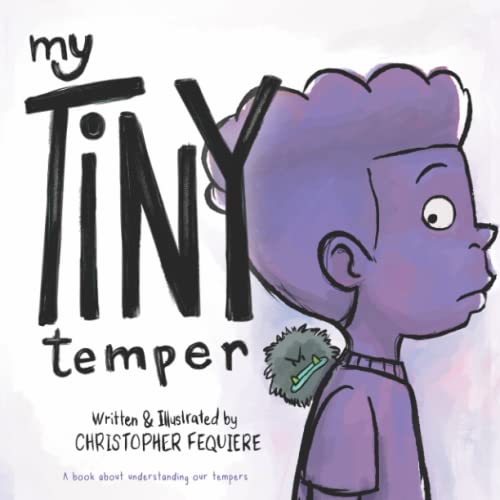
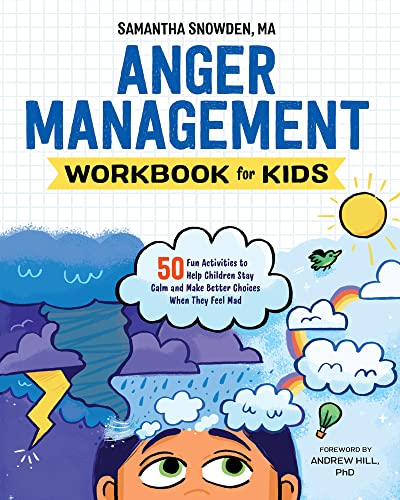
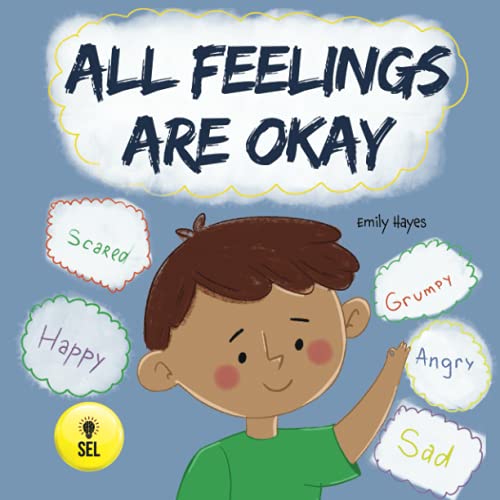
The Color Monster: A Story About EmotionsI’m Just a Kid: A Social-Emotional Book about Self-RegulationThe Big Feelings Book for ChildrenThe Original Mood Flipbook for KidsMy Body Sends a Signal: Helping Kids Recognize Emotions and Express FeelingsI Am Stronger Than AngerBreathe Like a Bear: 30 Mindful Moments for KidA Little SPOT of Emotion 8 Book Box SetMe and My Feelings: A Kids’ Guide to Understanding and Expressing ThemselvesMy Tiny Temper: A Children’s Book About Battling A Growing Monster of EmotionAnger Management Workbook for KidsAll Feelings Are Okay: A Kid’s Book About Different Moods and EmotionsIn My Heart: A Book of Feelings



Find These Tips for Parenting an Overly Emotional Child Helpful? Save ‘Em & Share ‘Em!
Don’t forget to save this parenting resource to come back to. And share it with friends! Simply use the buttons at the top or bottom of this post. Or, click here: Share on Facebook | Tweet It | Pin It | Email to a Friend
More Parenting Tips & Tricks from B-Inspired Mama
- What Is Emotional Intelligence? + A Game to Make Learning It Fun
- DIY Kids Emotions Game + Emotions Words Printable
- 14 Ways to Connect with Kids After School
Disclosure: This blog post contains affiliate links. As an affiliate and Amazon Associate, I earn from qualifying purchases at no additional cost to you. Please read my full disclosure policy for more information.
Get MORE Fun Ideas + a FREE Gift!
Sign up for the newsletter to get MORE creative, kid-friendly ideas and we'll send you a FREE gift - Printable Conversation Starters for Kids and Parents - right in your inbox TODAY!
Tinielle says
Hi my son is 6yrs old he’s very emotional. Sometimes I get really frustrated and don’t know what to do when he gets in that emotional state. The first time it happened was we were at a family get together and I was holding my baby cousin and everyone was saying it’s time for to have a next baby and they asked if he would like a sister or brother and they kept on asking him and he started to get angry and began to cry and I tried talking to him but he just kept on crying, a next time was we were at a birthday party and one of the children took a toy that he was playing with and I told him that’s ok he would get it back but the child said no he’s keeping it he started to cry and didn’t want to play anymore, and when we go out and its time to leave thats a problem as well he gets upset and i always tell him even when we are having fun at some point we have to leave he gets upset, and if his cousin comes over to play and she’s around me to much he gets emotional and when I tell him he could come sit on the other side he says no. Can you tell ways on how to help me out. Thank you
Krissy of B-Inspired Mama says
It sounds like transitions are hard for him. Going from one thing to another. My son used to have the same problem. I would have to give him warnings a few minutes ahead of time. So he could process the change ahead of time. Sometimes more than one: “In 15 minutes we will have to leave.” “In 5 minutes we will leave.” We also used a transition object sometimes. A toy he loved playing with or even educational games on our cell phone to sort of lure him away and focus on during the transition. The situation you mention of the family get together makes me think of social-emotional and sensory overwhelm. Maybe in situations like this, he needs to be (lovingly) removed from the intense environment and allowed to calm. Not in a bad way, you could console him and help him calm. Best of luck to you and your little guy!
Alta Coets says
My grandson is 7 years old and cries about everything.. Specially when he does not get his way or i.e when he watches sports on the TV and the game ends, he will burst put in angry tears. We have tried everything to clam him down and/or make him understand the situation. Punishing (like a time out) does not help. He cries even louder and goes into hysterics until he vomits or cannot breathe. We tried the reward system, talking softly and going down onto eye level. He will not eat any food at table but will want bread at bed time as then he will he hungry. He still wets his bed and sometimes his pants at school as well. His home environment is very stable although he has a stepdad but he is , although strict, very accommodating. He has a 1 year old baby brother and choked him the other day when the baby accidentally got hold of his favourite toy cat. ( we keep his toys separate from . The other’s as no one is allowed to even look at his toys. He has an older sister of 8 and she has the most living nature. When asking him why he reacts this way he says the dark side in his head tells him to do this. He has also expressed a wish to die. This he does quite often. And he constantly refers to a sadness in him. We did brain scans, bloodtests,
Took him to a child psychologist with no real feedback. Please help!!
Krissy of B-Inspired Mama says
Oh, Alta, I’m so so sorry you – and HE – are struggling. I can relate to much of this. My first thought is, if you took him to a child psychologist and didn’t get any help or answers, even just to try, you need to find another one! Pediatricians can only do so much, but you can start there, or with a different one for another opinion. We utilized our county’s family services (paying, as it’s based on income) for counseling and psychiatry, which also had connections to many other resources. Do you have something like that in your community you could look into? I was initially going to say to look into sensory processing disorder, as that can lead to the difficulty in transitions, eating struggles, etc. And it might still be worth getting an evaluation for. Typically an Occupational Therapist would do that, which could be referred from the Pediatrician. But the “sadness” and “voices” may indicate something different as well. One thing I will say, which may not be the popular opinion, and of course, is entirely dependent on the individual and situation, but I wish I had agreed to try medication sooner for my kids when it was recommended by the doctors. Also… the school may be able to do an evaluation as well. Now, none of the above is actual medical advice – I’m obviously no doctor. So, definitely find another Pediatrician and/or psychologist, and keep looking until someone can help! Hang in there. Don’t give up!
Yolanda says
Could be child onset schizophrenia, although it is pretty rare. There is one girl named Jani Schofield who you can find on YouTube.
Chelly Nail says
I need help! I have had full custody of my grandson since birth. He is 8 years old now. He is an over emotional child. The older he gets the stronger the “tug – of – war becomes with his behavior. His mother (my youngest daughter) was an over emotional child and grew up with behavior problems and mental illnesses. I am trying to react differently when dealing with my grandson but I am not being successful. I become overly stressed when the behavior starts…i feel over welmed and I panick because it reminds of the struggles that i experienced with my daughter”s behavior. (My daughters behavior is 1000% worse now and she is 26 years old) i am completely emotionally lost.
Please help me
Krissy of B-Inspired Mama says
I’m so sorry you’re having this trouble, Chelly. First, reaching out for help via searching online and posting this comment proves your love for your grandson. So, you’re doing a great job!
I know my kids definitely reflect the emotions I project – even when I think I am keeping my emotions in, they sense my anxiety and aggravation. So, my advice is to research and practice some calming strategies for yourself first. Maybe a mantra you can say within your head or a calming breathing technique you can employ when things get intense. I know it can sometimes seem easier said than done (and I still need to work on this, too), but maybe even try a meditation practice. I’ve read that meditation early in the day can improve how you react to stress throughout the rest of the day.
Second, with the details you shared about your grandson and his mom’s history, I would recommend reaching out to a professional for counseling and/or a mental health evaluation. If there is a family history, there might be a valid medical reason for the behaviors. I know this can be hard to afford and make time for – for some individuals and families, but there are often community resources to help. Maybe check with your pediatrician, local schools, and/or religious organizations?
Finally, my number one piece of advice when it comes to emotional kids and behavior challenges is CONSISTENCY. Regardless of the technique you choose, be as consistent with it as you possibly can be. For a length of time before re-evaluating and changing. (I’m not always good with that part as I tend to want to jump to trying new things before giving something a true shot.) The consistency will help you with your reactions/emotions during intense situations, too. You can have go-to sayings, strategies, consequences, so you aren’t automatically anxiously wondering what to do.
That’s all I’ve got for now, except HUGS to you! You’re doing great work.
Emily says
My son is 4. 3 incidents I can think of.1he came home from school thinking the toilet was going to bite him. He was,afraid to use the toilet. 2. There was a child crying on the bus cuz he could not poop because there were spiders in the toilet now he is afraid too. And all of a sudden almost all food is yucky or to pokey and he was having almost no potty problems and all of a sudden. Frequent accidents even in the day. Plz Help
Krissy of B-Inspired Mama says
Awe. Poor boy! And poor mama. My first step would be to talk with the teacher(s) to see what they have done thus far or could do to help. They might have some insight you aren’t aware of (if you haven’t talked with them yet). I would also look into anxiety in children and potentially sensory processing issues in regards to the eating (if the “too pokey” is persistent).
Megan says
Im glad I read this. Im a special ed teacher for behavioral kids so I see all this stuff all the time. But when it comes to parenting my overly emotional children, its completely different. Its so stressful and harder than work. I cry myself to sleep, my heart pounds, I dont know what to do often. I have all the skills, training and education in this field but I cant do it with my own children.
Krissy @ B-Inspired Mama says
I’m so sorry you’re having such a hard time. And I can definitely relate. It’s so hard when you’re educated in child development and have the skills yet have such a hard time implementing them with your own child. There’s something about that emotional connection between parent and child that complicates things so much, doesn’t it?
I also highly recommend the resources from my friend Dayna over at Lemon Lime Adventures. This is a great Behavior Workshop she’s putting on right now, actually: https://learn.lemonlimeadventures.com/behavior-workshop/?ref=23 (refferal link)
Shani says
Is there such a thing as babying your child and not preparing them for the real world . what is a good baleance.I need help I am not sure what to do. My daughter is 8 and gets over everything. Please help any advice would be helpful.
Krissy @ B-Inspired Mama says
I definitely think it takes a balance. And knowing your own child and following your instincts. How do you feel instinctually? Is it often over the top and disrupting your/her everyday life? Then, I would consult with her pediatrician and consider counseling.
Angela says
The comments that have been left are good for dealing with the situation at the time. However, they do little to alleviate the behavior as the child grows. I know because I was an overly emotional child who has turned into an overly emotional adult. Parents, teachers and other adults tried most of the above suggestions with me and although they may have stopped the immediate breakdown they also made me feel weak and powerless to control my own emotions. We need to dig deeper and teach our children how to express themselves and ask for help before the breakdown occurs. I am certainly no expert, as I found this site while trying to figure out how to handle my own emotional child. I will continue to look for answers but I think it has more to building independence and confidence. Dealing with the breakdown alone is like judging an iceberg by what you can see. There is much more beneath the surface.
Krissy @ B-Inspired Mama says
That is such a great point, Angela. I do agree with you and will plan a post that addresses the deeper issues related to an overly-emotional child. Thank you! And I’m hoping you find some resources that help you.
ashley says
my issue i dont think is the same as many others. my son is over 6 years old and will literally throw a tantrum on the floor over things as small as me asking him to pick up his shoes or drink water instead of juice. he has had to deal with some changes but it has been going on for about 2 years and isnt improving. i very much believe in disapline and consequences but i also give a lot of praise and occational prizes for good behavior. im not sure what im doing wrong or how i can get him to quit acting so much like a toddler.
Krissy @ B-Inspired Mama says
I feel you, Ashley! I have similar issues with my oldest not “outgrowing” those types of tantrums and behaviors. I have since learned that it is related to some special needs in his case (Sensory Processing Disorder, ADHD, and Developmental Coordination Disorder). I’m not saying that this is your son’s case, though, of course. But here is a post about a book that really helped me: https://b-inspiredmama.com/2014/08/parenting-the-explosive-child/
lyn says
Yoga. And talking through emotions together.
Krissy @ B-Inspired Mama says
Yes – my kids love yoga, too!
naomi says
What if the child doesn’t want a hug, hates to talk, stuffs everything inside then cries all the time?
Krissy @ B-Inspired Mama says
Awww… I feel for ya, Mama. What about getting him to express those emotions in another way. Like through drawing, writing, making up songs, acting out things?
Wendy says
this is great but what do you do if this overly emotional child is NINE YEARS OLD? Isn’t there suppose to be SOME maturity expected at that age?
Krissy @ B-Inspired Mama says
I would think so, too, Wendy. I am struggling with my 6 year old lately, too. And I’ve found the book, The Explosive Child, really helpful. It seems like a lot of it is geared toward older kids and with slightly bigger challenges than what I’m dealing with, but the technique are still really helpful!
Jamie says
I feel the same way my son is 10 and I feel like his emotions are getting stronger not less frequent. It effects his schooling and we have tried everything and I feel so lost and alone in this. The men in my life (his father, uncles, brothers etc..) don’t understand and tell him he is too sensitive and he needs to toughen up. I need help!!!!!!
Krissy of B-Inspired Mama says
I’m so sorry you’re struggling. My oldest recently turned 11. And I actually found that after a couple years of slight calming, his emotions and anger are ramping up again. Maybe hormonal as they are getting closer to that scary (for them and us!!) time of puberty? I’m not sure. I strongly recommend the book, The Explosive Child. (affiliate link: http://amzn.to/2A7xvay) It’s SO good. I need to re-read it actually. Hugs to you!
(p.s. I edited your name to fix it for you.)
Kimberly Sminkey says
I really appreciate you sharing these ideas! As a mom of 2 who are a bit 'emotional' like their momma… I know how frustrating and heart breaking it can be! Pinning this!
Kim
Melissa Hislop says
These are great ideas, many of which have worked for my daughter. I've also tried to teach her to take a deep breath when she is feeling out of control. (If she'll let me) I'll take her hands, remind her to take a deep breath, and breathe with her. That little break often helps us both know we are on each others side and helps us try to understand each other.
Krissy Sherman Bonning says
Great tip, Melissa! I find that it really helps to get my child's attention and get them to look in my eyes and take a little break before moving on and dealing with it, too.
The Monko says
Another great post Krissy. I didn't contribute because Goblin isn't often overly emotional but this week has been a whole different ball game so I was really grateful for all these great suggestions
Krissy Sherman Bonning says
Isn't it crazy how fast they change? You think you've got it all figured out one day and then the little buggers change the next day. It's so frustrating! Good luck, Mama!
The Educators Spin On It says
These are all great suggestions and as we all know, keep trying and you'll find something that works with your child! It's so great that you're providing this series as a resource for parents. You might find some more ideas on our post about 8 Simple Tips for Parenting a Strong Willed Child http://theeducatorsspinonit.blogspot.com/2012/06/raising-strong-willed-child-we-get-it.html
Krissy Sherman Bonning says
Oh, I'm so glad you shared your post!
Michaela says
Just a heads-up: the quote from number 10 is identical (word for word) to number 11. 😉
Krissy Sherman Bonning says
Thank you, Michaela! All fixed. 🙂
JDaniel4's Mom says
These are such great ideas! I love that there are so many things to try!
Krissy Sherman Bonning says
Thanks so much!!
Ness @ One Perfect Day says
What a great list. I love how empathetic and loving all of the ideas are. Thanks for including my responses on your list too! Pinning and sharing on my FB wall.
Krissy Sherman Bonning says
Thanks for your contributions, Ness!